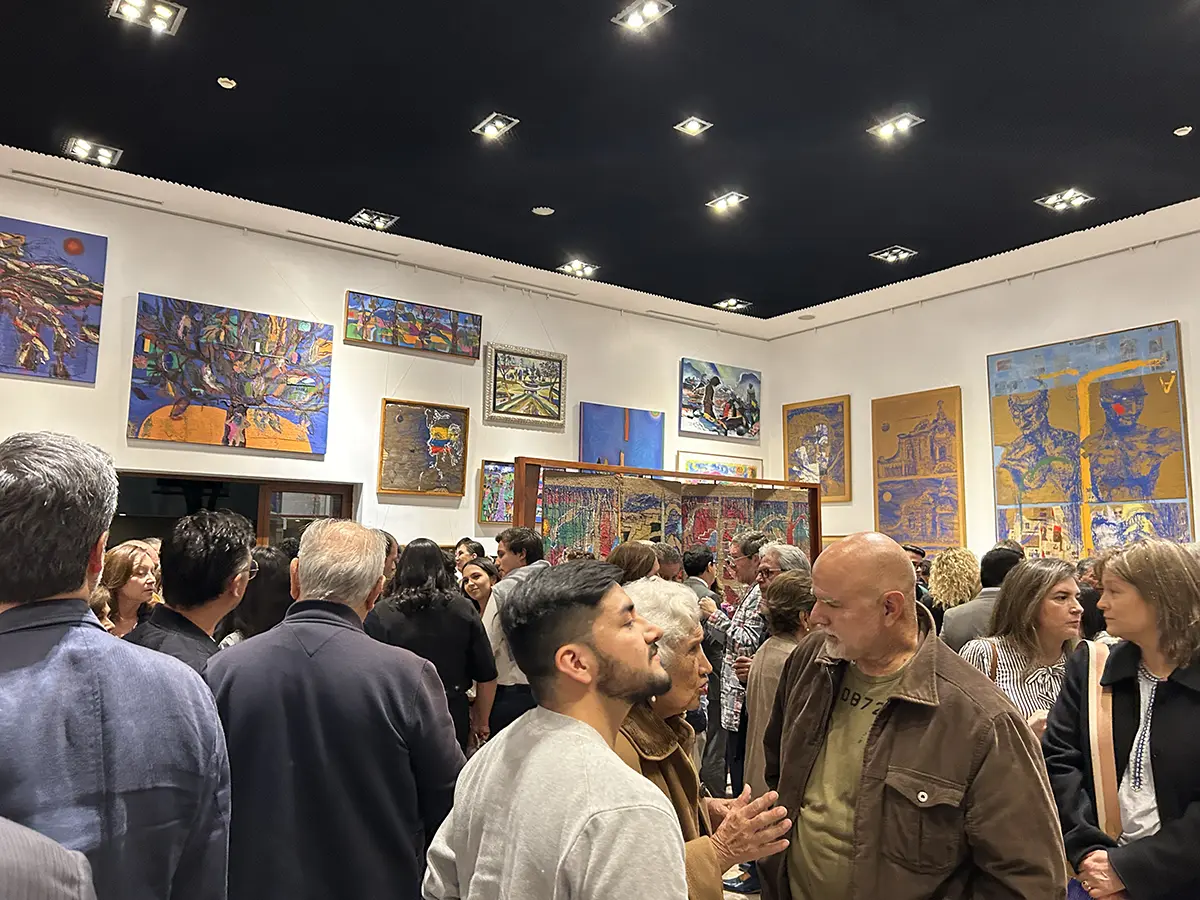
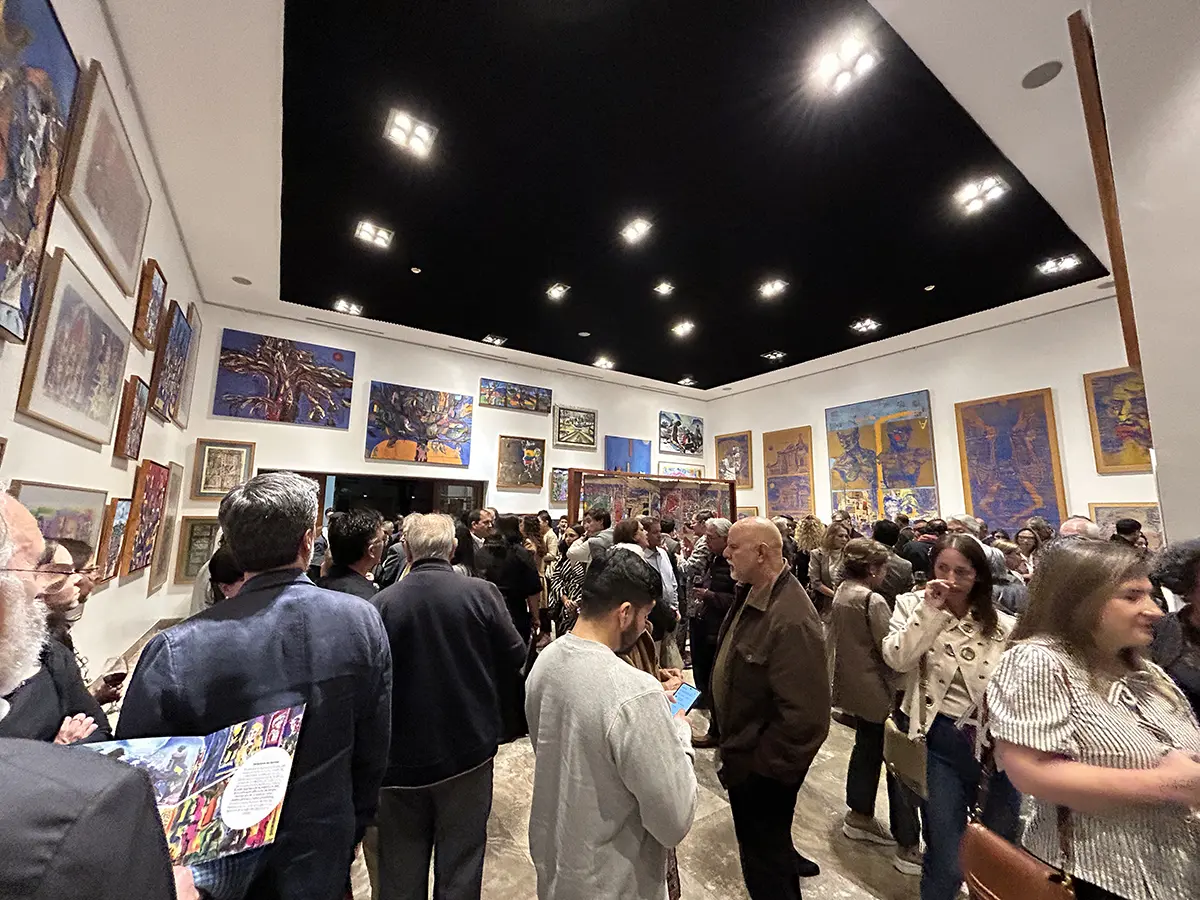
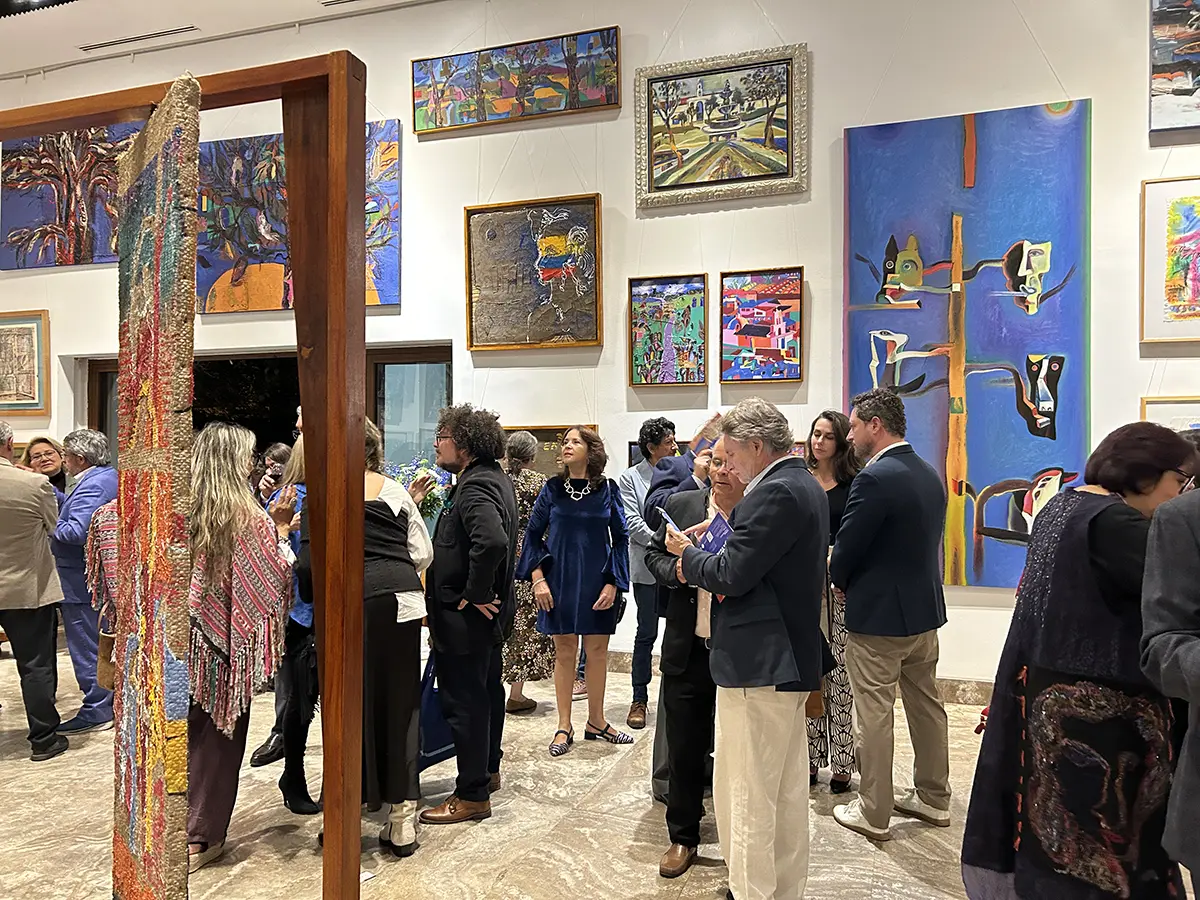
For me, painting has never been a closed answer, but a way of asking—and a profound act of freedom. That is why returning to my origins to present Ad libitum (which means “at will” or “with freedom”) at La Esquina Shopping Center, in collaboration with Artik Objetos Curados, has been an experience of reconnecting with time, space, and memory.
This exhibition, curated by Humberto Montero, is not a simple collection of paintings arranged in a row; it is an open system where my creative processes converse with one another.
Below, I share the key elements of this visual map that now dresses the gallery walls:
1. The Coordinates of a Personal Cartography
Within the exhibition rooms, different paths coexist and intersect like the coordinates of a single thought in motion:
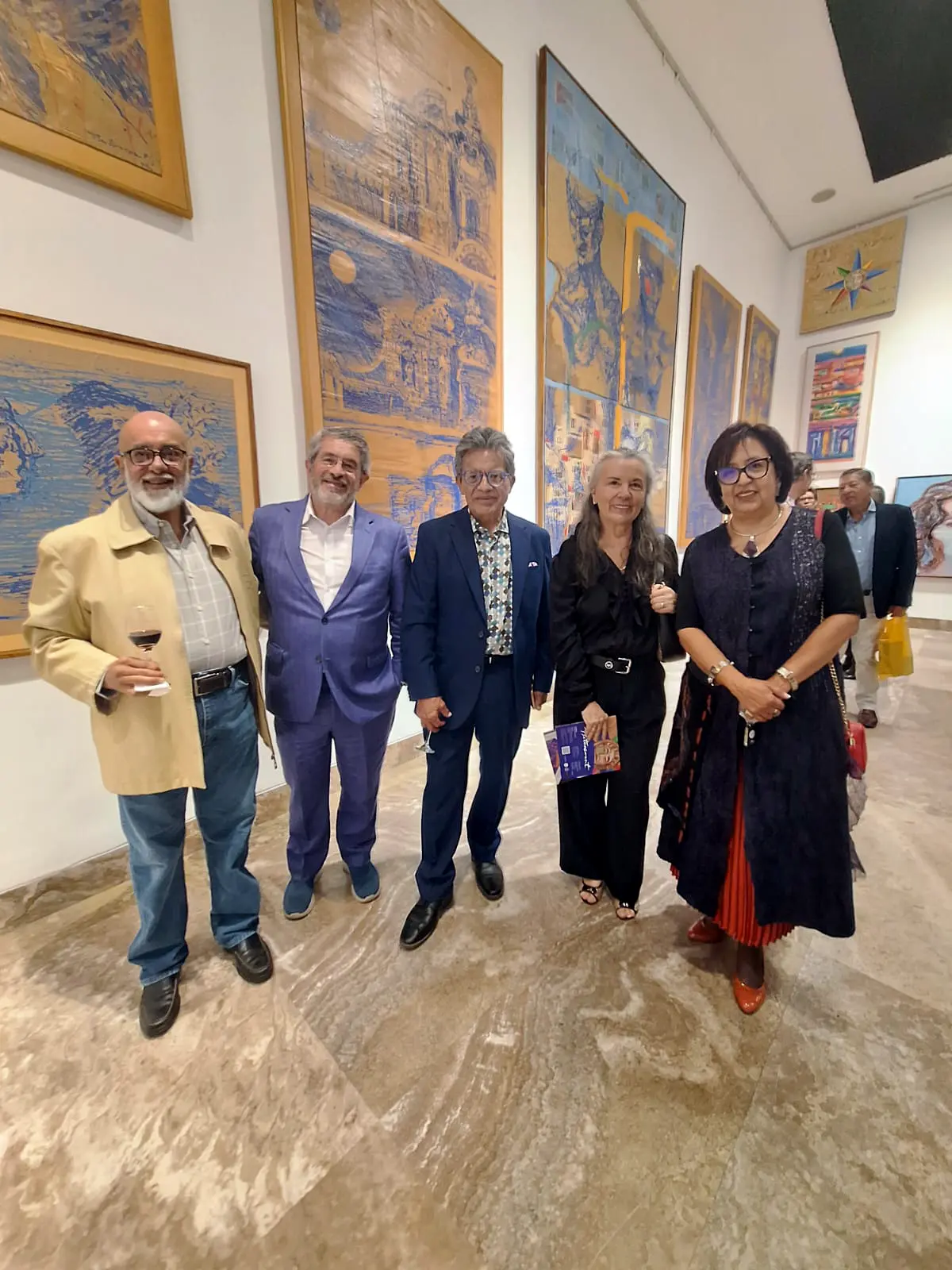
Estudios en Azul: A series born in 2005, where the gestural intensity of splattering on cardboard and Kraft paper allows the human figure to emerge from negative space.
Estampas de Cumbayá: A conceptual journey toward my “origins and permanence,” where landscape, urban life, and memories of my homeland become texture and color.
Variaciones del Barroco: A bridge where European and Quiteño Baroque merge with Andean spirituality. Iconic figures such as Las Meninas or the Virgen de Legarda are reconfigured within a dynamic matrix.
Cartografía del Autor: An ephemeral mural designed to organize the visitor’s path as a visual map in constant expansion.
2. The DNA of the Earth: Matter that Holds Memory
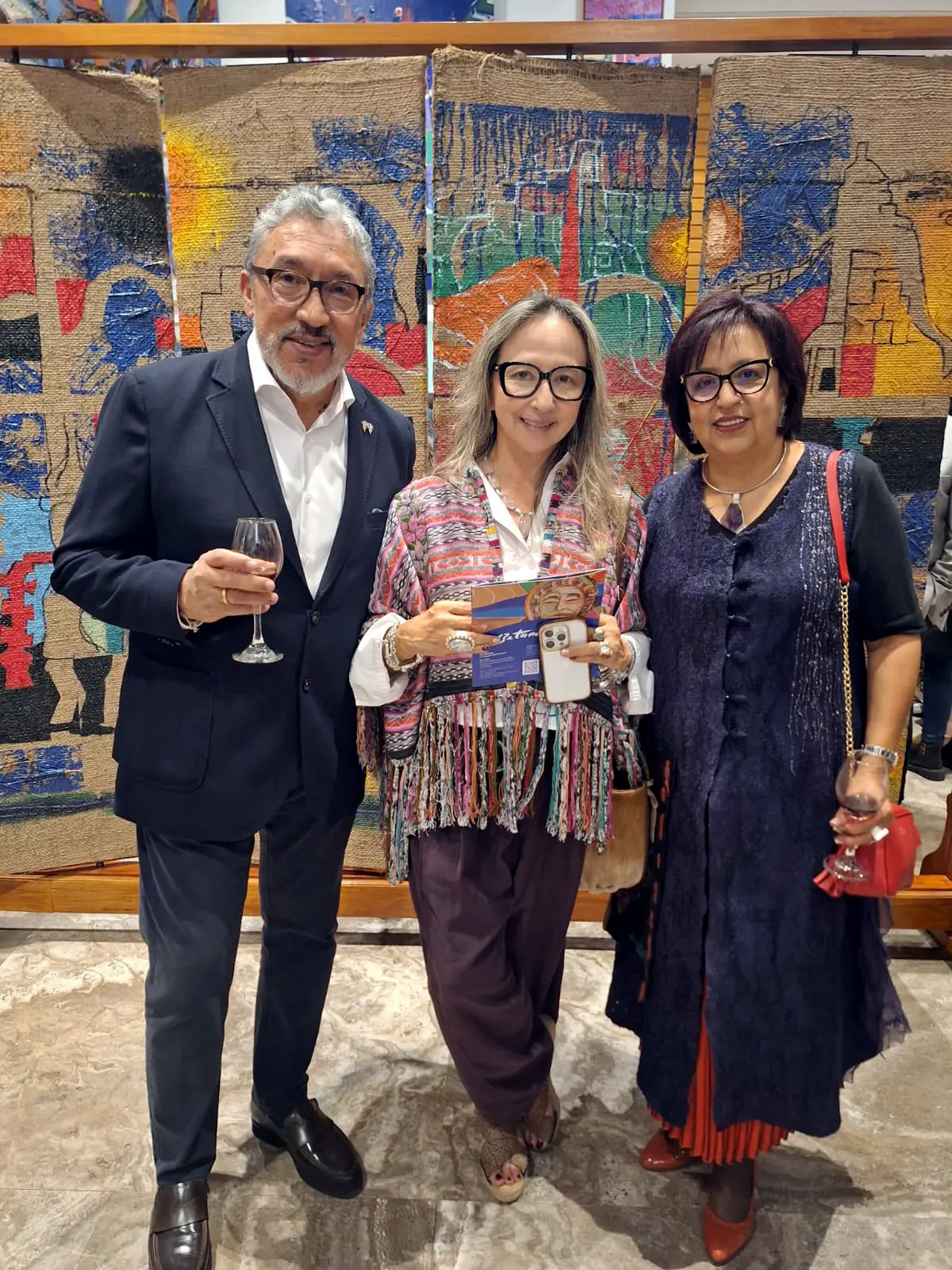
Visitors will notice that painting here is lived matter. I wanted the physical environment of Cumbayá to breathe through the supports. For this reason, the works are infused with everyday fragments of this place: volcanic ash, clay from my own property, cabuya sacks, reeds from the San Pedro River, crop residue, newspaper, and reused cardboard. Even the paint tubes, once emptied, are integrated into the work, leaving the physical trace of persistence and labor.
3. Structured Chaos
In my painting, chaos is never the end but the initial engine. I begin from the formless: stains, splashes, and impulsive strokes from which the human figure or the horse attempts to emerge. Through lines that vibrate like flows of energy and controlled masses of color, that disorder progressively organizes itself until it reaches visual balance. It is an unstable figuration, closely akin to the fragmentary way in which our own memory operates.
4. The Encounter: “Inside the Cube”
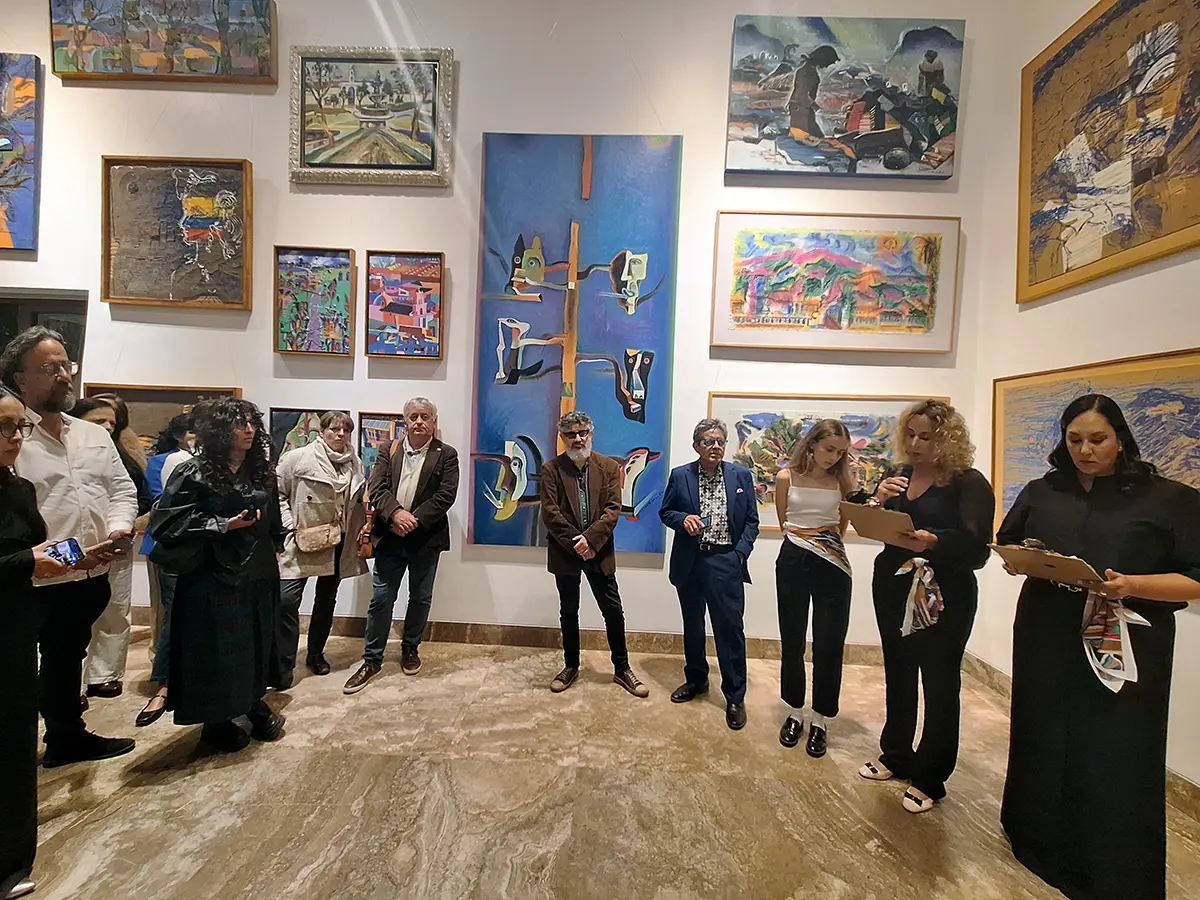
One of the most enriching moments of the exhibition was stepping beyond the canvas to bring art into the realm of conversation. I am deeply grateful for the space offered by the talk and podcast “Inside the Cube” (a segment of DETODOMENOSESO, produced by Enelojofilms). Sharing the table with the curator and four panelists allowed us to dismantle the processes behind Ad libitum, bringing contemporary art to the public in an intimate and reflective way.
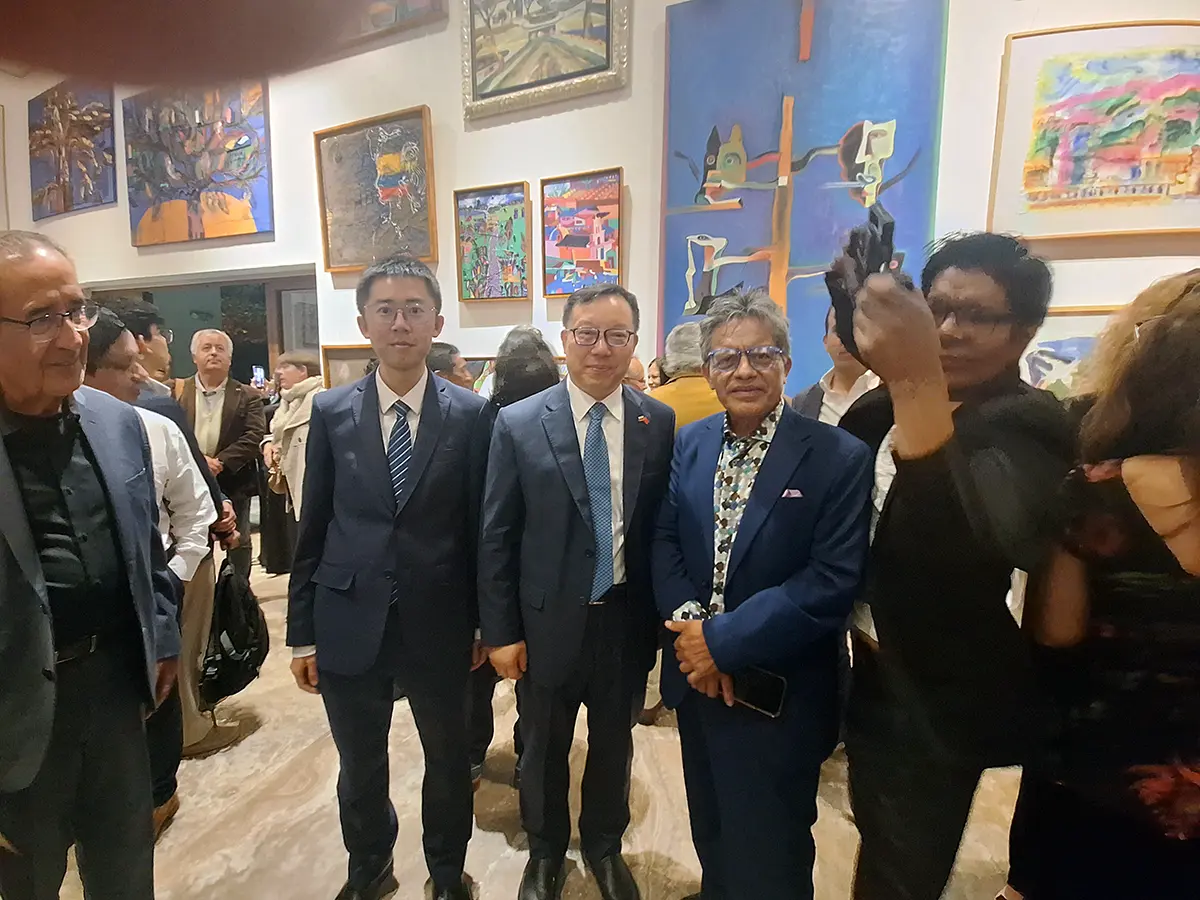
Final Acknowledgment: No exhibition is complete without the gaze of its viewers. My gratitude goes to ARTIK, to La Esquina, to friends, colleagues, and the diplomatic corps who accompanied me at the opening. What remains in these rooms is a constellation of shared experiences that now find new interpretations in each of you.
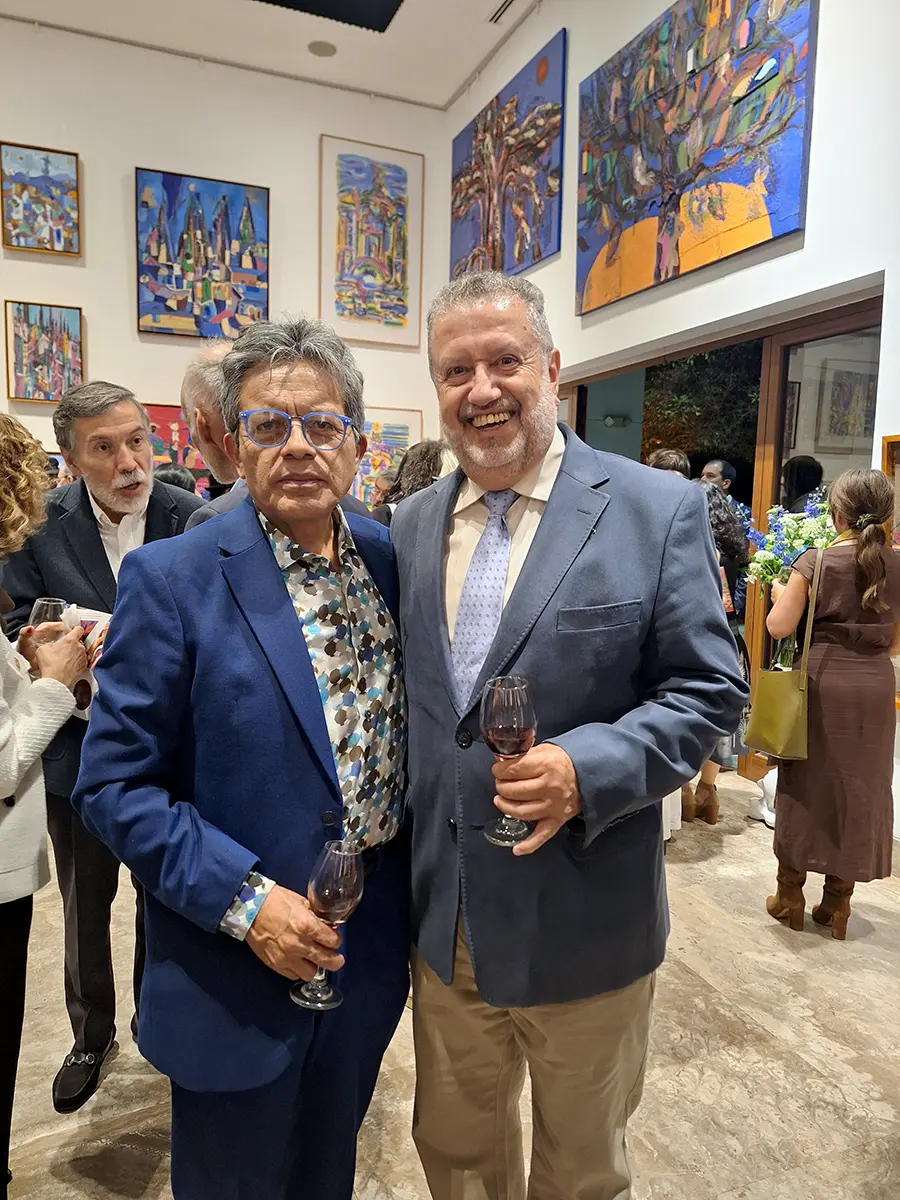
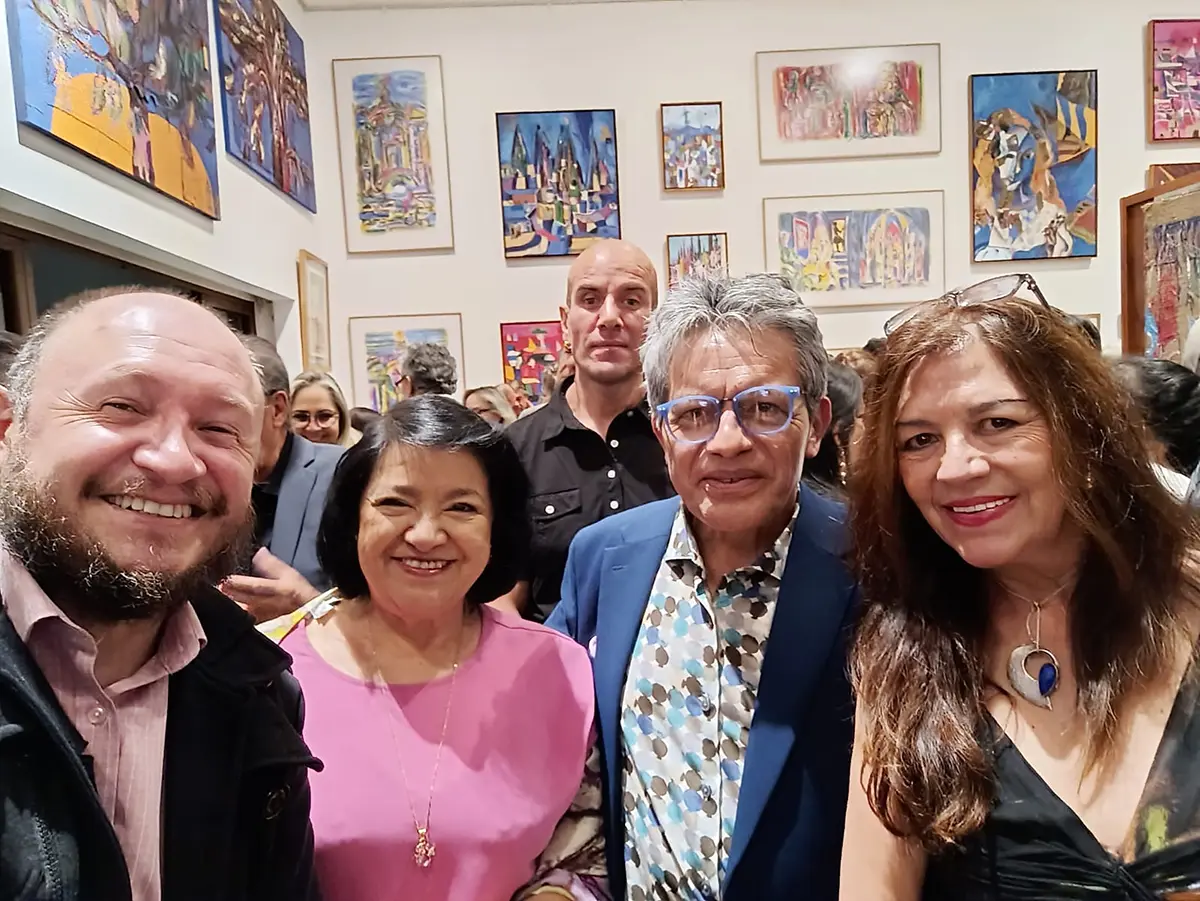
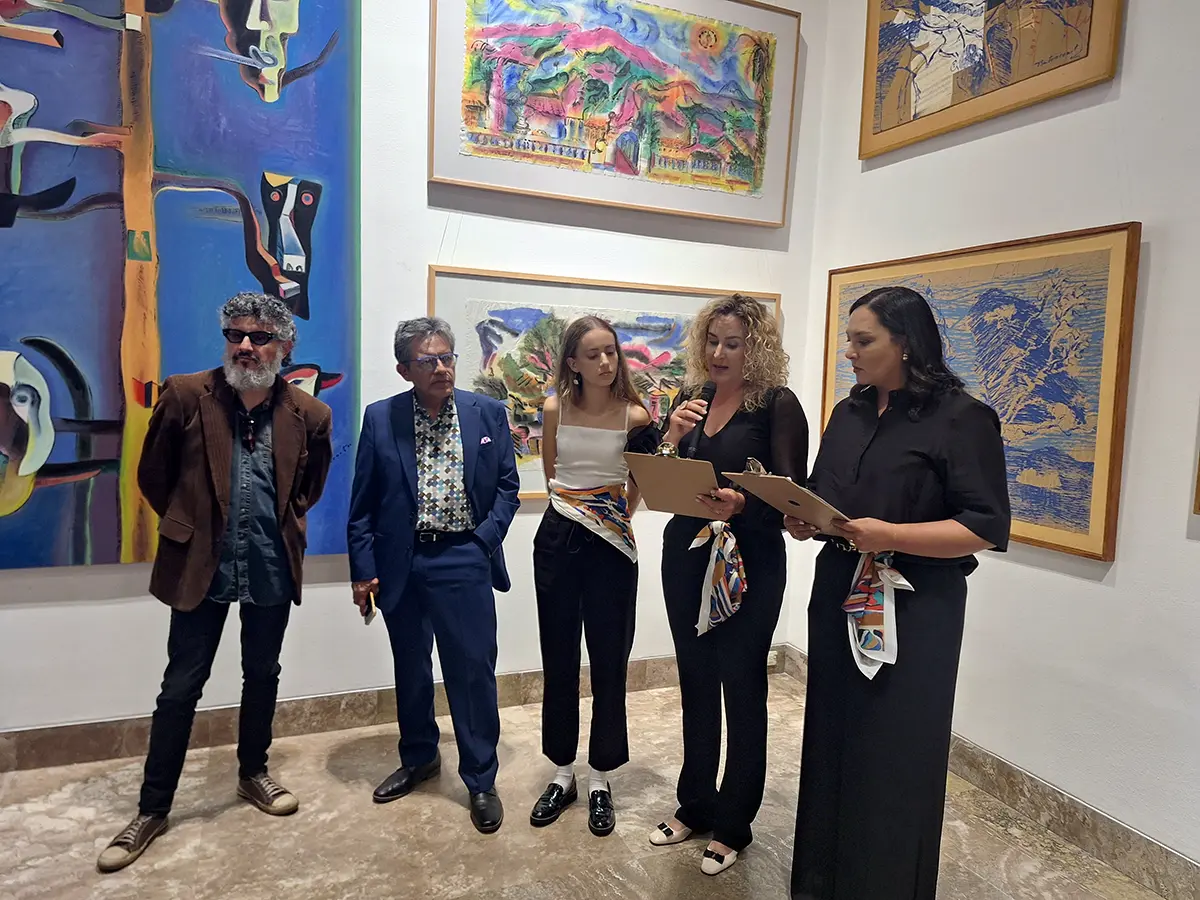
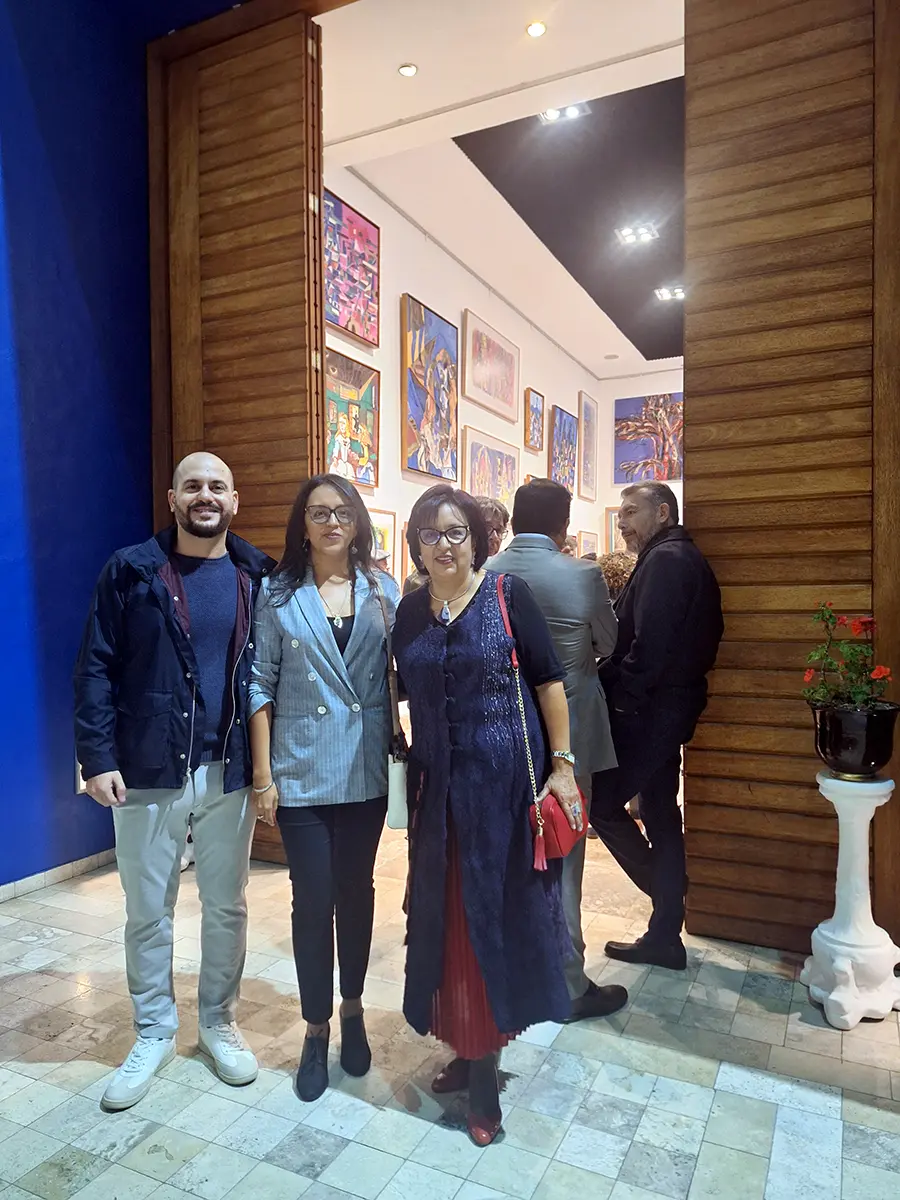
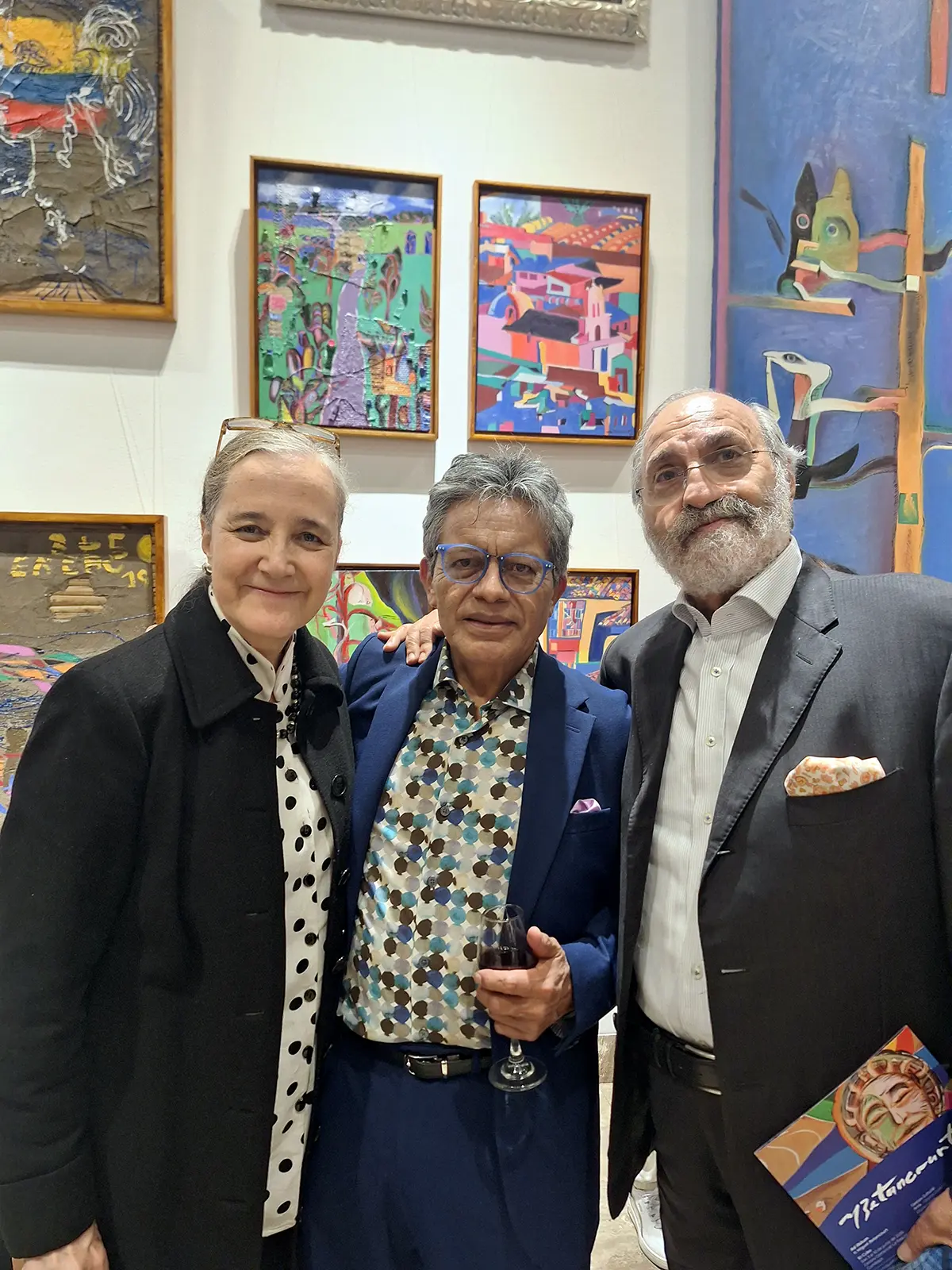
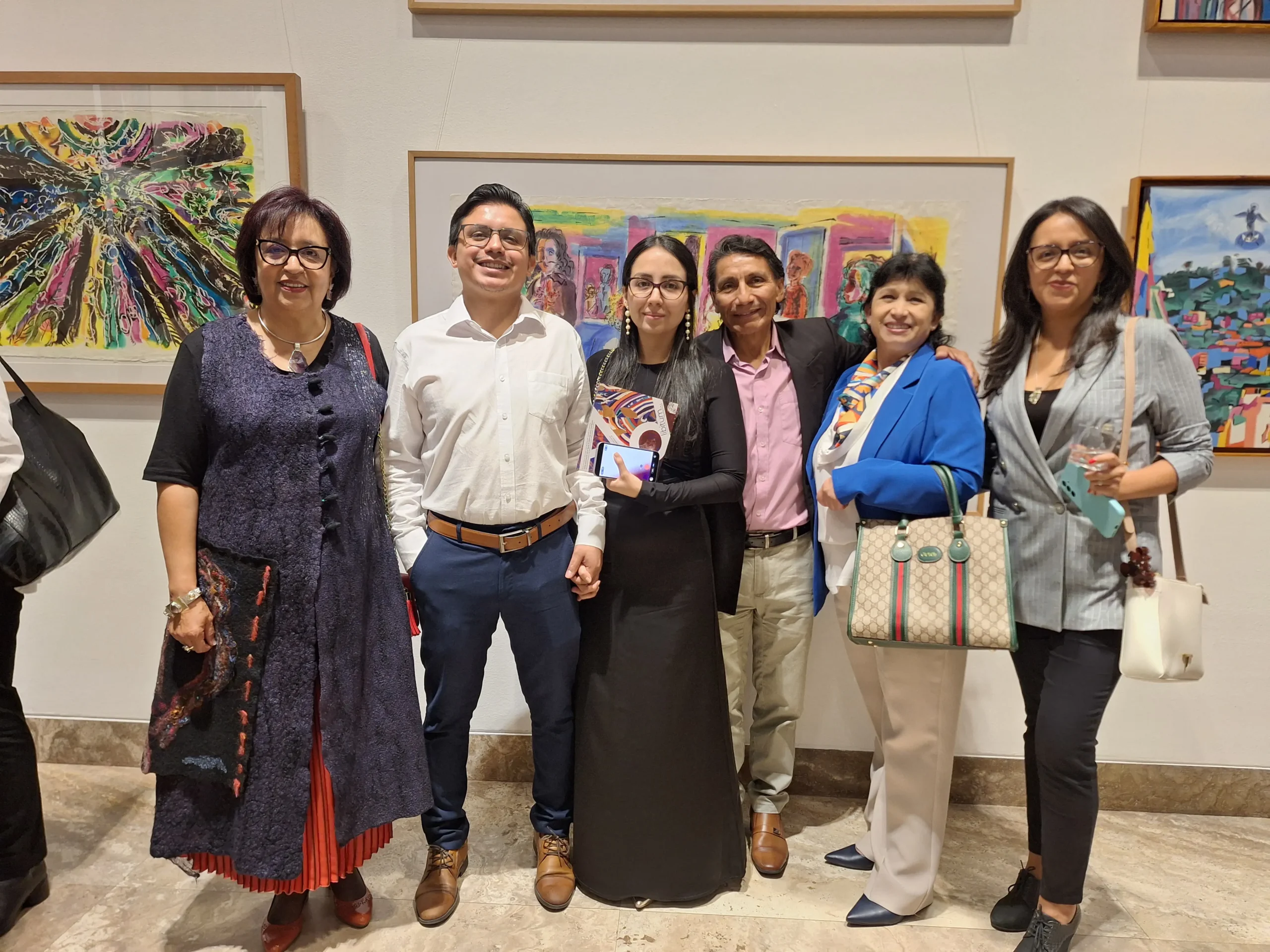
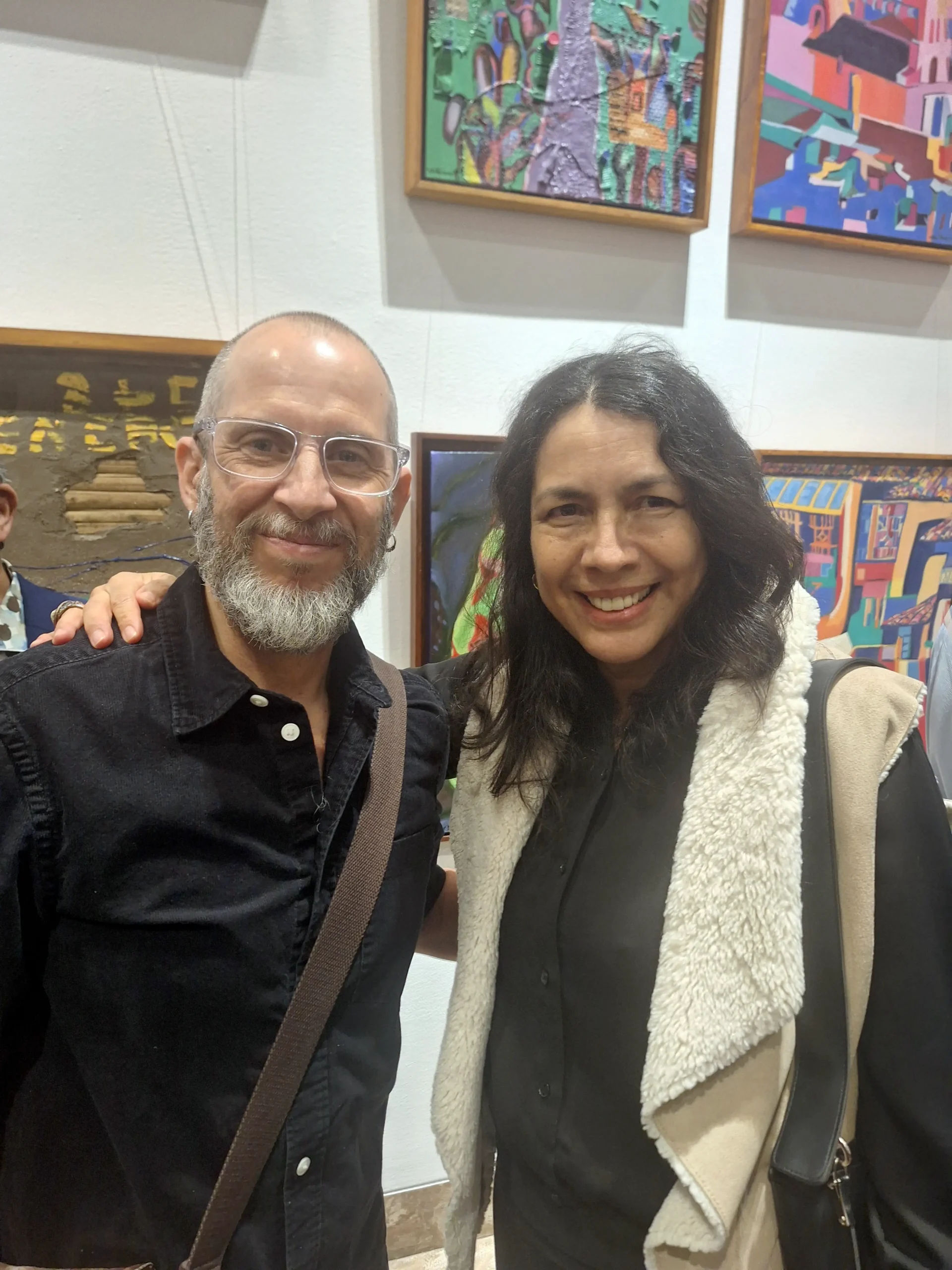
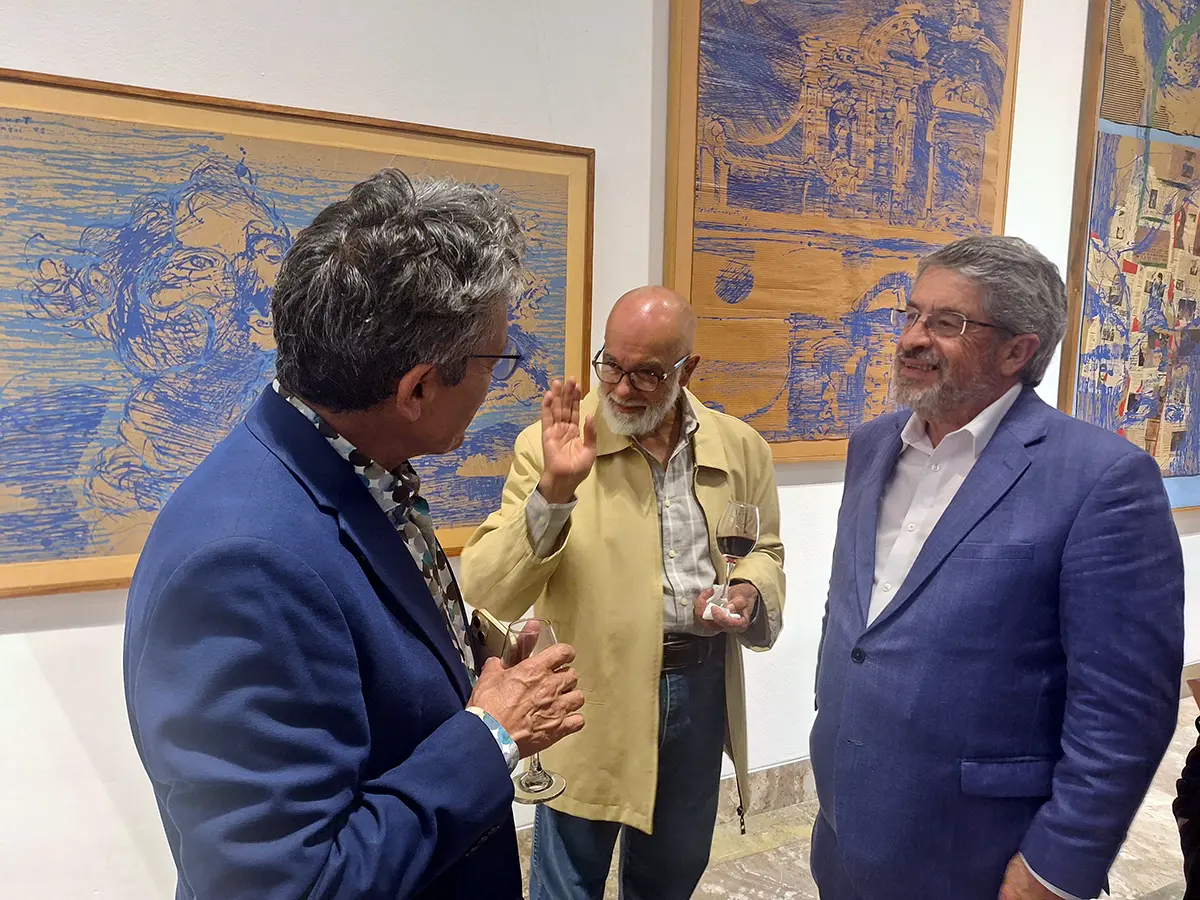
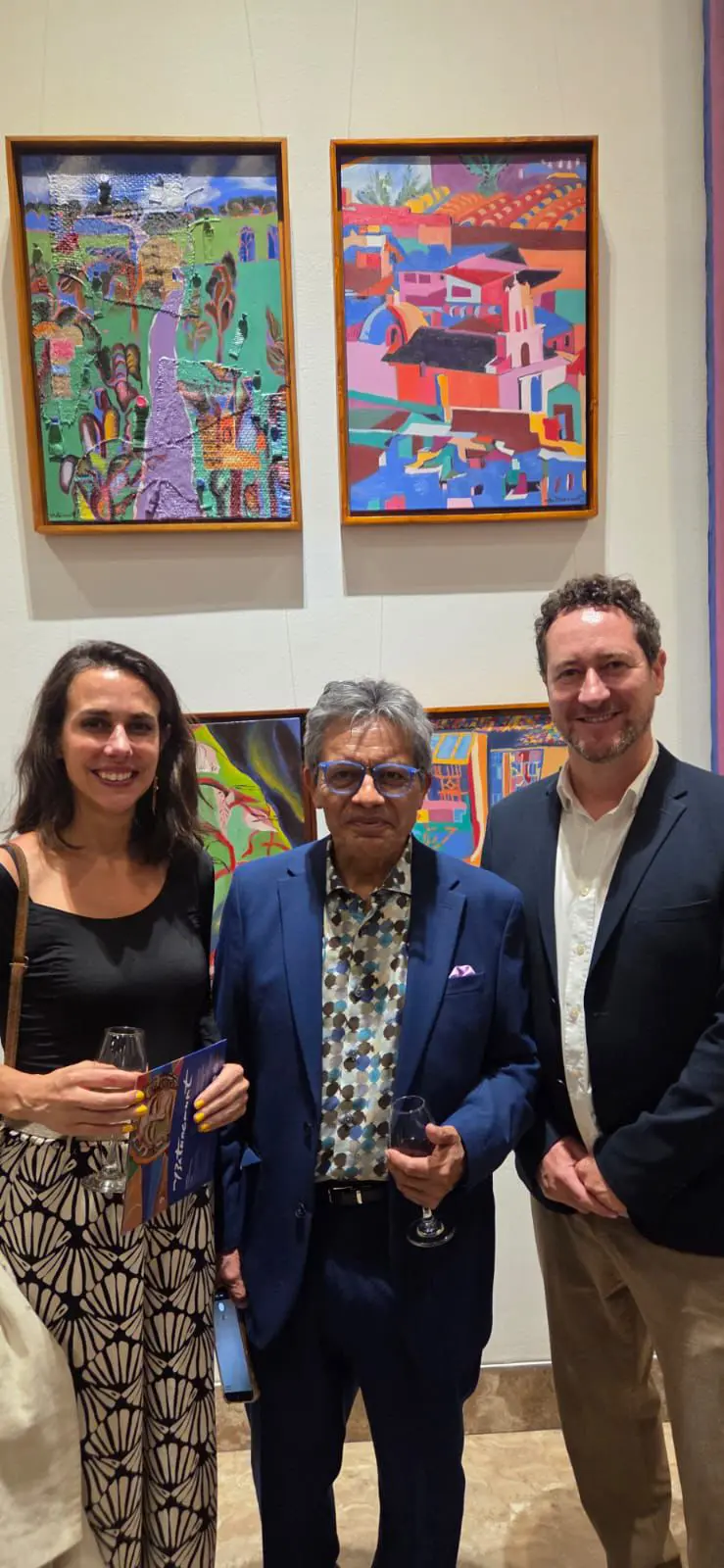
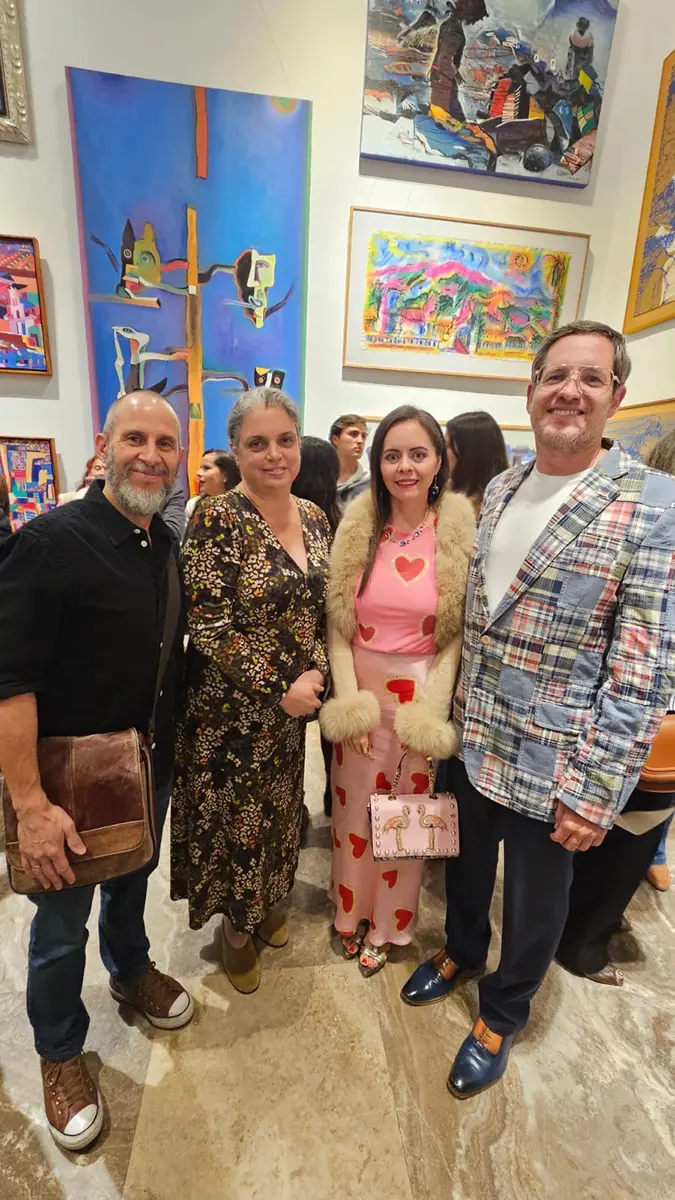
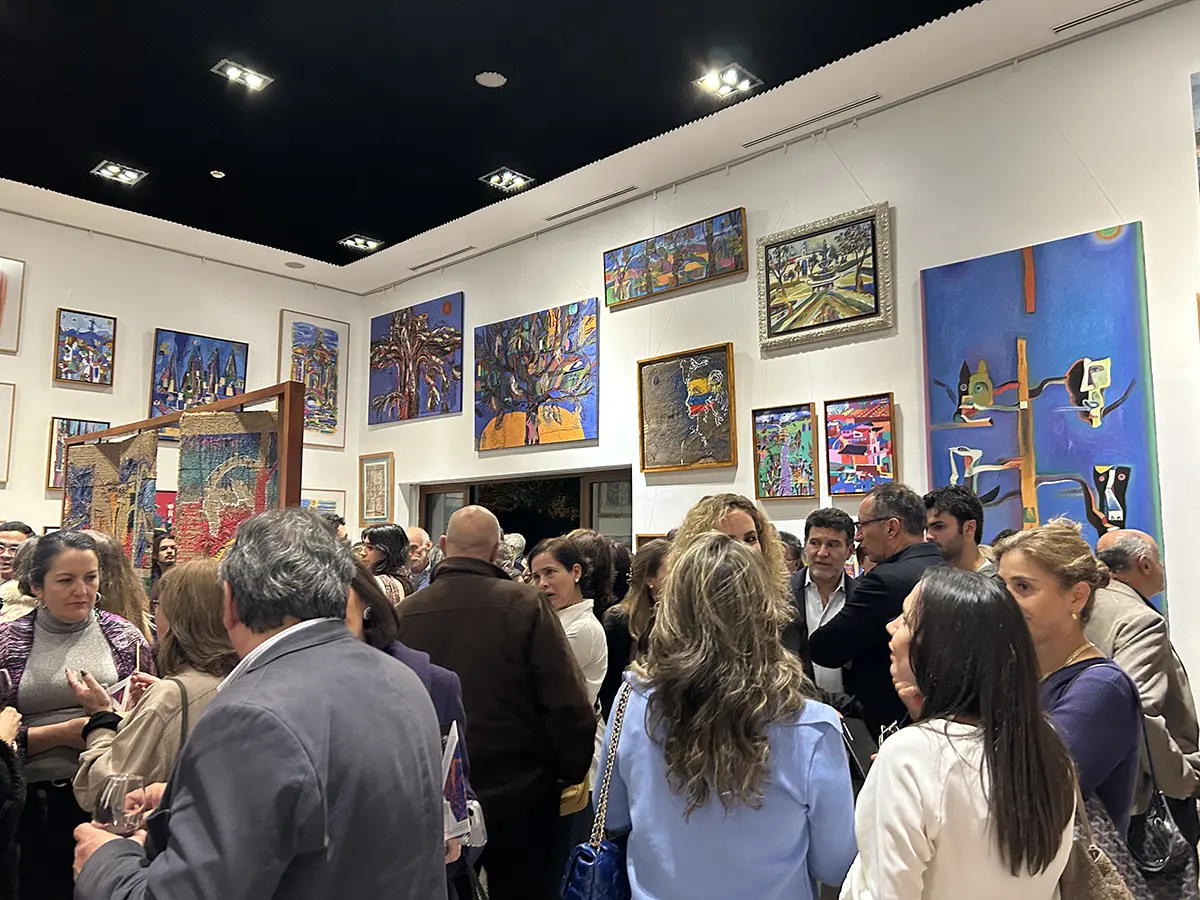
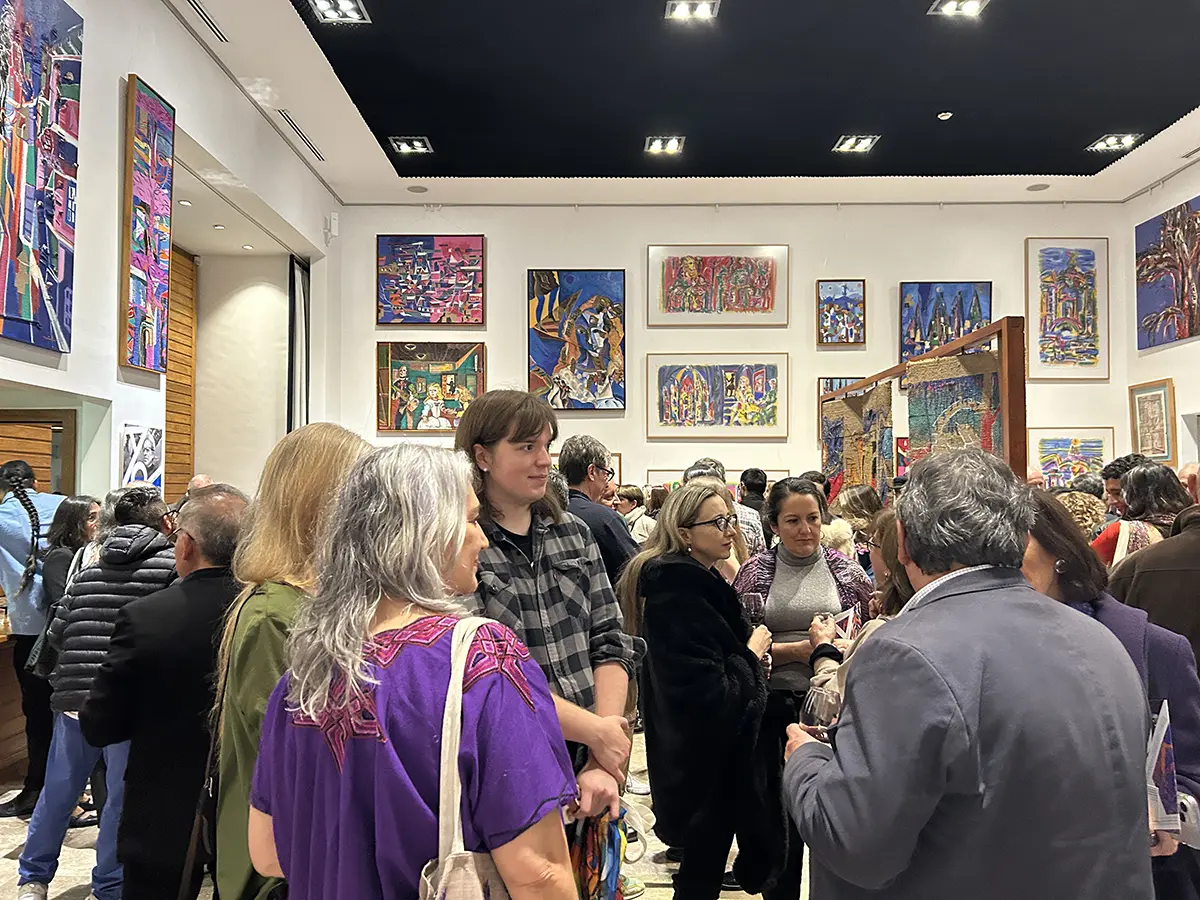
Enjoy the following photo gallery, which captures the atmosphere of the opening, the details of the textures, and the journey through the exhibition rooms.